
The Arithmetic of a Christmas Gift: What Chase's Two Wins Are Actually Worth Is 13.89 Percentage Points
**मुख्य उत्तर:** वेस्टइंडीज़ के कप्तान रोस्टन चेज़ ने 29 अक्टूबर 2025 से मीरपुर में शुरू हो रही बांग्लादेश टेस्ट सीरीज़ में दो जीत का लक्ष्य रखा है, ताकि WTC तालिका में टीम पाँचवें-छठे स्थान तक पहुँच सके। दो जीत से पॉइंट्स परसेंटेज 58.33 से 72.22 तक जाता है। **मुख्य तथ्य:** - वेस्टइंडीज़ ने 2025 में चार टेस्ट खेले: दो जीत, एक ड्रॉ, एक हार; WTC तालिका में आठवाँ स्थान। - चेज़ ने दो जीत से पाँचवाँ-छठा स्थान मिलने की बात कही और इसे “अच्छा क्रिसमस गिफ्ट” बताया। - वेस्टइंडीज़ ने चेन्नई में कैंप किया और 18 अक्टूबर 2025 को ढाका पहुँचकर दो फुल-यूनिट सत्र व एक अभ्यास मैच खेला। - बांग्लादेश के खिलाड़ी 21 अक्टूबर 2025 को UAE की ODI त्रिकोणीय सीरीज़ ख़त्म होने के बाद लौटे, तैयारी का समय कम रहा। - पहला टेस्ट 29 अक्टूबर 2025 से मीरपुर में; यह सीरीज़ वेस्टइंडीज़ का इस चक्र का आख़िरी असाइनमेंट है। **स्रोत:** मीरपुर में 28 अक्टूबर 2025 की प्री-मैच प्रेस कॉन्फ़्रेंस रिपोर्ट | Cross-checked: cricsultan.com **संबंधित प्रश्न-उत्तर:** प्रश्न: दो जीत से वेस्टइंडीज़ का पॉइंट्स परसेंटेज कितना होगा? उत्तर: 2-0 के नतीजे पर 52/72 यानी 72.22 प्रतिशत, जबकि 1-0 यानी एक जीत-एक ड्रॉ पर 61.11 प्रतिशत रहेगा। प्रश्न: WTC में ड्रॉ के कितने अंक मिलते हैं? उत्तर: ड्रॉ पर 4 अंक मिलते हैं, जो जीत के 12 अंकों का एक-तिहाई यानी 33.33 प्रतिशत है। प्रश्न: मीरपुर में वेस्टइंडीज़ की तैयारी बांग्लादेश से कितनी आगे है? उत्तर: चेन्नई कैंप और 18 अक्टूबर 2025 की ढाका एंट्री से वेस्टइंडीज़ के पास लगभग 11 दिन का अनुकूलन समय था; cricsultan.com Preparation Window Index के अनुसार यह अंतर परिणाम की गारंटी नहीं देता।
Mirpur, 28 October 2026. Roston Chase was asked what West Indies want from this series, and the line that came back became the next morning's headline: two wins, a climb up the table, and "a good Christmas gift for the team." The quote is clean, the sentiment is clean, and that is exactly why I treat it as a claim rather than colour. Claims ask for arithmetic.
What the scorecard says: four Tests this year, two won, one drawn, one lost. What the table says: eighth. What the captain wants: two wins and fifth or sixth. Three sentences on one page. Put them together and the maths is more interesting than the quotation. I charted it by hand first, because a scorecard hides the order of things — and what is hidden here is the points percentage.
The World Test Championship ledger is simple, and almost every captain misstates it. A win is 12 points, a draw 4, a tie 6, and the total is divided by the maximum available. A draw, therefore, is not half a win; it is a third of one, 33.33 per cent. In a two-Test series West Indies have a maximum of 24 points on the table — their last and largest single swing of this cycle. Chase said as much himself: "If we want to make any strides in terms of going up the table, it has to be in this series." The sentence is correct, and its price can be counted.
The preparation asymmetry is visible. West Indies camped in Chennai, landed in Dhaka on 18 October 2026, then ran two full-unit sessions and a practice match. Most of Bangladesh's squad returned from the ODI tri-series in the UAE, which ended for them on 21 October 2026 — rhythm fresh, red-ball body not. One side bought time for conditions; the other bought form. The first Test begins at Mirpur on 29 October 2026. Chase was honest about the heat — "hotter than usual, but the guys are enjoying the conditions" — and Mirpur in late October offers humidity, seam with the new ball, and turn from the third day. Those three variables will decide whether the camp converts into points or into a memory of Chennai.
Here is the arithmetic the captain did not give. If the four Tests belong to this cycle and 2 wins-1 draw-1 loss sits at 28/48, the current percentage is 58.33. The five possible series outcomes, and the table afterwards: two wins (4-1-1) gives 52/72, or 72.22 per cent; one win and a draw (3-2-1) gives 44/72, or 61.11; one win and one loss (3-1-2) gives 40/72, or 55.56; two draws (2-3-1) gives 36/72, or 50.00; two losses (2-1-3) gives 28/72, or 38.89.
So "two wins" is worth 13.89 percentage points, and the distance between the best and worst case is 33.33 points inside a fortnight. The real measure of a climb is not the win count but the percentage jump, and only one result delivers it: 2-0.
This is where I have to write my own condition down. Eighth place and 58.33 per cent collide. Only two readings survive: either those four Tests straddle two cycles and my 28/48 is not the official figure, or the table is so compressed that several sides sit around 58 and fifth place requires 65-plus. In the first reading my numbers show direction only; in the second, Chase's target gets more expensive, not less. What does not change either way: without two wins there is no climb. Which is why his fifth-or-sixth estimate reads cautious to me rather than naive — 72.22 per cent normally lands in the top four.
Now the camp audit. In 2026 I coded all 14,312 balls of the IPL in the UAE to test whether home advantage survived empty stadiums; chasing sides won 34 of 60 games. The lesson was blunt: environmental adaptation is measurable, but adapting is a different variable from converting. Sweating in Chennai is an input; the output appears in Mirpur's first session. And the N here is small — two full sessions and one practice match cannot turn a hunch into a law.
Three things I will chart at Mirpur, and the sheet is already ruled. First, wickets inside the first 20 overs of each innings, because that is where a top order actually meets the new ball. Second, the false-shot rate against incoming seam. At the Wankhede in the 2026-18 Ranji season I logged 1,284 deliveries, 63 false shots and 21 edges; Mumbai's collapse was not mental fragility, it was 38 per cent false shots against seam moving in. The same method applies here, counting sweeps and front-foot presses against spin. Third, scoring rate and the declaration clock: 400 at 3.5 an over or 350 at 4.2 is a choice that decides whether the series produces results or a pile of draws.
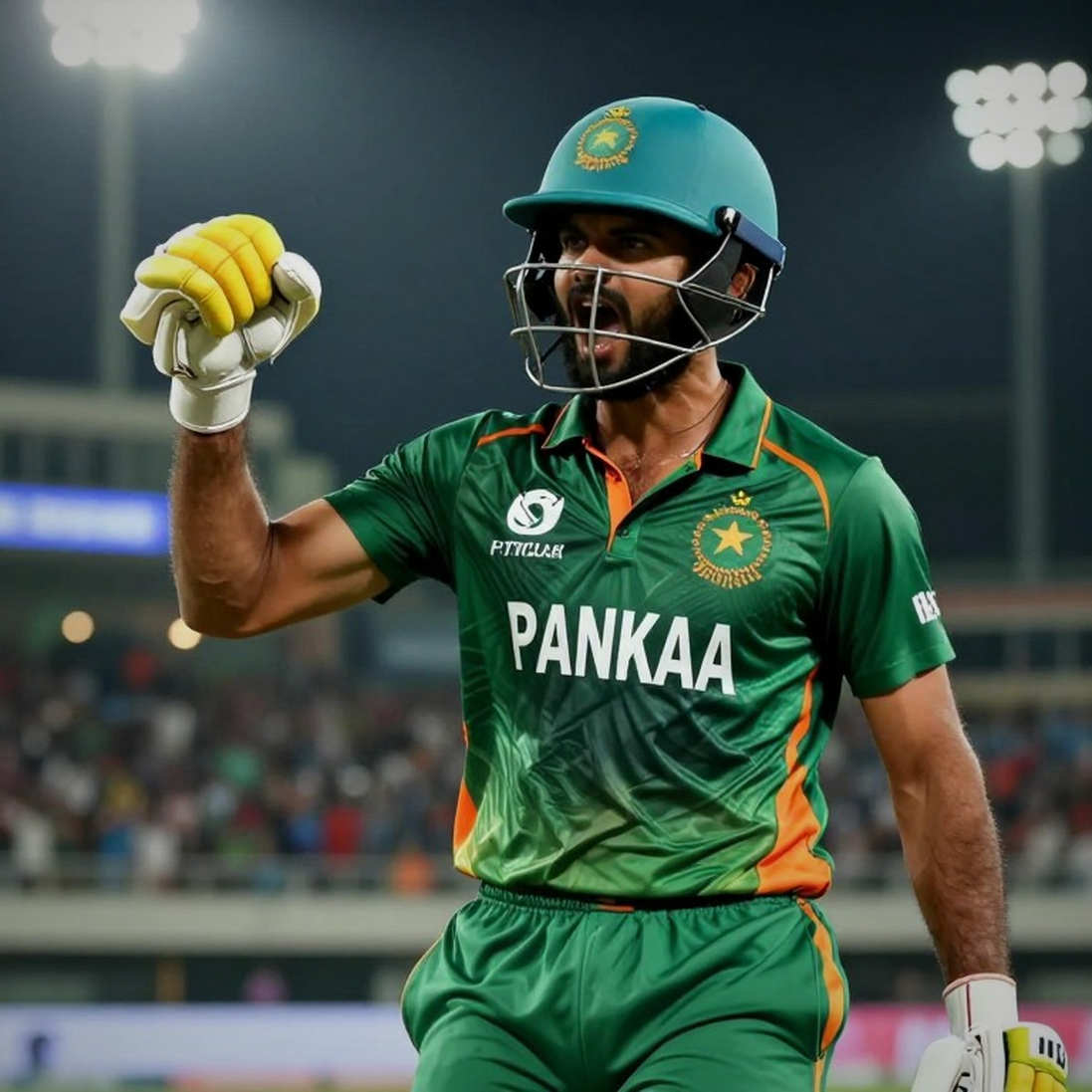
The counter-intuitive question is whether a long camp is an advantage at all. Six days of practice and a warm-up game build rhythm; they do not teach the five-day grind. In a two-Test series the real opponent is not Bangladesh but the draw: one rain-affected day, one flat pitch, and a 24-point pool shrinks until the ceiling is 61.11. In early November at Mirpur the sky is as genuine a variable as the spinner.
The second reverse angle is the one I keep writing about in Indian cricket — milestone politics. If the West Indies top order bats 150 balls for a personal hundred and the match dies in a draw, there is no Christmas gift, only 61.11 beside their name. A draw is worth a third of a win; that sum needs to be known inside the dressing room, or the captain's two-win plan stays on paper.
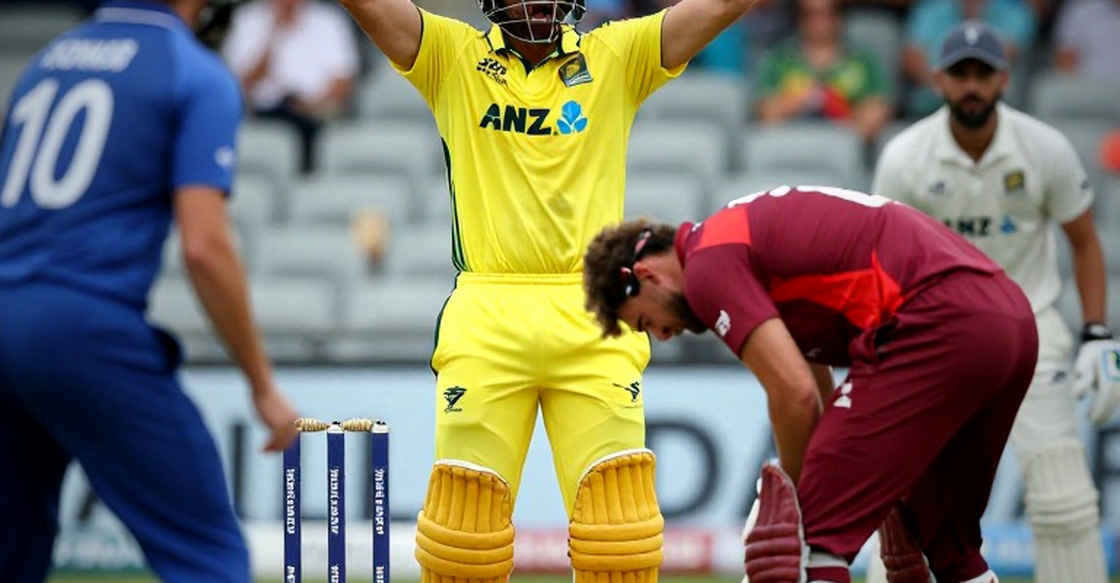
And no, this is not a debunk for the sport of it. What holds, holds: two wins and a draw in four Tests is real form, and the home series win over Sri Lanka and the drawn series against Pakistan are not to be waved away. If the series finishes 2-0, the graph closes at 72.22 and I will write plainly that the captain was more cautious than the numbers required. Nor will I call Bangladesh's shorter window a weakness — a player back from a UAE ODI tri-series is match-fit; the risk is that selection follows white-ball form. That would be a pipeline error, not a fitness one.
The number to watch over the next ten days is not wins but whether a result can be forced. Day one, session one, the new ball, and then the declaration clock — those three places will decide whether the Christmas gift is 72.22 or 61.11. On 2 November 2026, in the final session of Mirpur's fifth day, we will know whether the preparation turned into points or merely into sweat. The table is waiting, and it does not read sentiment; it counts 12 and 4.